

Search Engine Optimization (SEO) is a game-changer for online visibility, but even seasoned marketers fall into common pitfalls that cripple their rankings. Google’s algorithms are evolving, and what worked five years ago—or even last year—may no longer be effective.
If your traffic isn’t growing (or worse, it’s dropping), chances are you’re making one or more of these 10 common SEO mistakes. Let’s dive deep into the latest data, research, and proven strategies to fix these SEO mistakes and boost your website’s rankings.
1. Ignoring Search Intent (The #1 SEO Killer!)
Why It Matters:
Google’s primary goal is to match users with the most relevant content based on their search intent. If your page doesn’t satisfy user intent, it won’t rank—even if it’s well-optimized.
The Data Speaks:
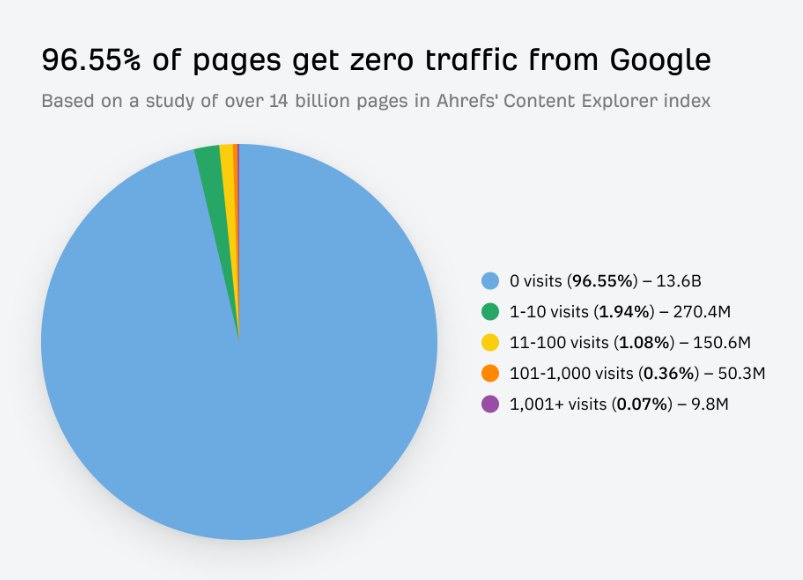
- Ahrefs reports that 96.55% of content gets zero traffic—often because it doesn’t meet searcher expectations.
- Research by Backlinko found that the top three Google search results receive 54.4% of all clicks, with the #1 result alone capturing 27.6%.
How to Fix It:
- Analyze SERPs (Search Engine Results Pages) before creating content. Look at the top-ranking results—are they informational (blogs, guides), transactional (product pages), or navigational (brand searches)?
- Adjust your content accordingly—don’t write a blog when Google ranks product pages for a keyword!
- Optimize for People Also Ask (PAA) boxes—Google increasingly values question-based intent.
Example: If someone searches “best budget gaming laptops 2025,” they expect a list of current models, pros/cons, and prices, not a general guide on gaming laptops.
2. Slow Website Speed (A Google Ranking Nightmare!)
Why It Matters:
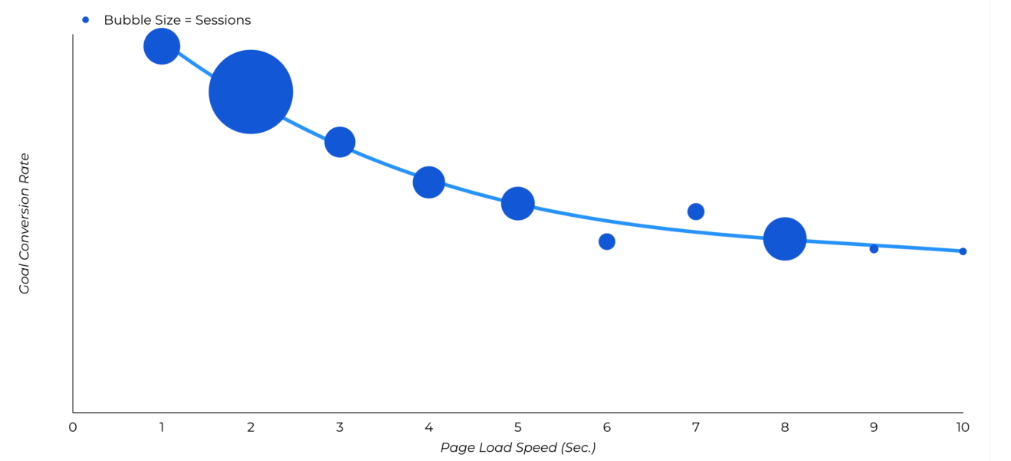
- A study by Portent found that a site loading in 1 second has a 5x higher conversion rate than one taking 10 seconds.
- Google confirmed in their Core Web Vitals update that slow websites rank lower.
How to Fix It:
- Test your site speed using Google PageSpeed Insights and GTmetrix.
- Compress images (use WebP format).
- Minify CSS & JavaScript with plugins like WP Rocket (WordPress) or LiteSpeed Cache.
- Upgrade to a faster hosting provider (like Cloudways or Kinsta).
Google’s Ideal Load Time: Under 2.5 seconds for optimal rankings.
3. Poor Mobile Optimization (Over 60% of Traffic at Risk!)
Why It Matters:
- Mobile-first indexing means Google prioritizes your mobile site over the desktop.
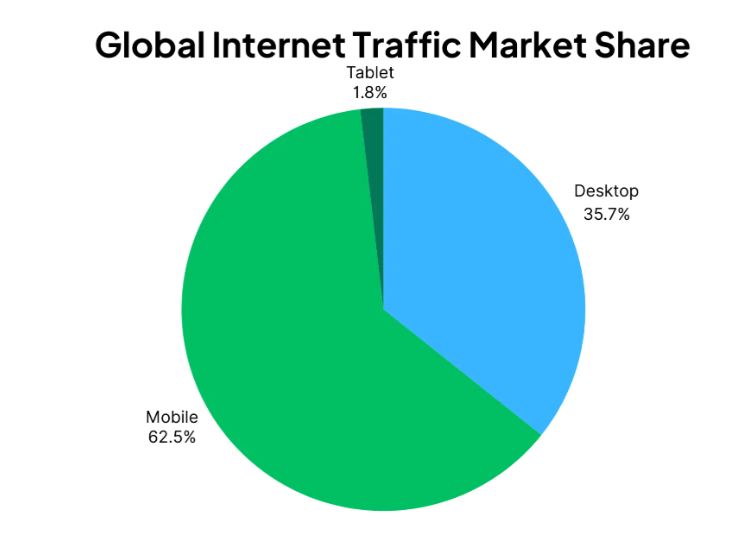
- 62.5% of all global website traffic comes from mobile (MobiLoud, 2025).
- Google penalizes sites with poor mobile UX.
How to Fix It:
- Use responsive design (test with Google’s Mobile-Friendly Test).
- Optimize fonts, buttons, and images for smaller screens.
- Improve mobile page speed using AMP (Accelerated Mobile Pages).
Example: Amazon’s mobile site loads in under 2 seconds—one reason it dominates eCommerce rankings.
4. Weak Internal Linking Strategy (Wasted SEO Power!)
Why It Matters:
- Internal links boost page authority, helping Google understand your site structure.
- Studies show proper internal linking can boost rankings by 40%.
How to Fix It:
- Link to relevant, high-authority pages (use descriptive anchor texts).
- Don’t bury important pages—ensure every key page is linked from 2+ other pages.
- Use topic clusters—connect related posts for better SEO.
Pro Tip: Pages with 10-15 internal links tend to rank higher.
5. Overlooking Featured Snippets (Instant Rank #1!)
Why It Matters:
- 50% of all Google searches don’t result in clicks because snippets answer queries directly.
- Featured snippets increase CTR by 114%.
How to Fix It:
- Identify snippet opportunities (use tools like SEMrush’s “Featured Snippet” filter).
- Answer questions directly in your content—use bullets, numbered lists, and summaries.
- Optimize content for “People Also Ask” (PAA) questions.
Example: Google often shows snippets for “How to lose weight fast”—top results feature step-by-step guides.
6. Keyword Stuffing (Google Will Penalize You!)
Why It Matters:
Google’s AI, RankBrain, can now detect unnatural keyword usage, leading to penalties.
How to Fix It:
- Keep keyword density under 2%.
- Use natural language and semantic keywords (LSI keywords).
- Write for humans first, Google second.
Example of Keyword Stuffing:
Bad: “If you want the best budget gaming laptop, this budget gaming laptop is the best budget gaming laptop.”
Good: “Looking for a budget-friendly gaming laptop? Here are the top picks for 2025.”
7. Not Optimizing for Voice Search (50% of Users Use It!)
Why It Matters:
- 50% of all searches will be voice-based by 2025 (ComScore).
- 71% of users prefer voice search for quick queries (Google).
How to Fix It:
- Use conversational, long-tail keywords (e.g., “What’s the best laptop for college students?”).
- Focus on local SEO—voice searches often include “near me.”
- Optimize for question-based queries (FAQs help).
Example: Instead of targeting “best laptops 2025,” optimize for “What are the best laptops for students in 2025?”
8. Not Updating Old Content (Easy SEO Wins!)
Why It Matters:
- Outdated content loses rankings (Google favors fresh, relevant pages).
- Studies show refreshing content can increase traffic by 106%.
How to Fix It:
- Update outdated stats, images, and links.
- Add new keywords (use Google Search Console to find declining rankings).
- Improve readability (shorter paragraphs, more visuals).
Pro Tip: Articles over 2 years old should be updated every 6-12 months.
9. Skipping Meta Descriptions & Title Tags (Click-Through Rate Disaster!)
Why It Matters:
- 75% of top-ranking pages have compelling meta descriptions.
- A well-optimized title increases CTR by 30%.
How to Fix It:
- Keep title tags under 60 characters and use power words (e.g., “Ultimate Guide” or “Best in 2025”).
- Meta descriptions should be 155-160 characters and include your main keyword.
Example:
Good Title: “Best Gaming Laptops of 2025 (Top 10 Picks for Every Budget)”
Bad Title: “Gaming Laptops – Cheap & Affordable”
10. Ignoring Backlink Quality (Toxic Links Kill Rankings!)
Why It Matters:
- Google values quality backlinks over quantity.
- Toxic links (spammy, low-quality) can lead to Google penalties.
How to Fix It:
- Use Ahrefs or Moz to check your backlink profile.
- Disavow toxic links via Google Search Console.
- Focus on high-authority guest posts & HARO backlinks.
Pro Tip: 1 high-quality backlink (DA 70+) is worth 100 low-quality ones.
Final Thoughts: Fix These SEO Mistakes Now!
So there you have it – the top 10 SEO slip-ups that might be holding your website back. Don’t feel discouraged if you’ve recognized a few! The good news is that each one has a clear fix. By tackling these common SEO mistakes, you’re not just pleasing the Google gods, but more importantly, you’re creating a better experience for your visitors. Start implementing these strategies today, and get ready to see your traffic climb in 2025.